













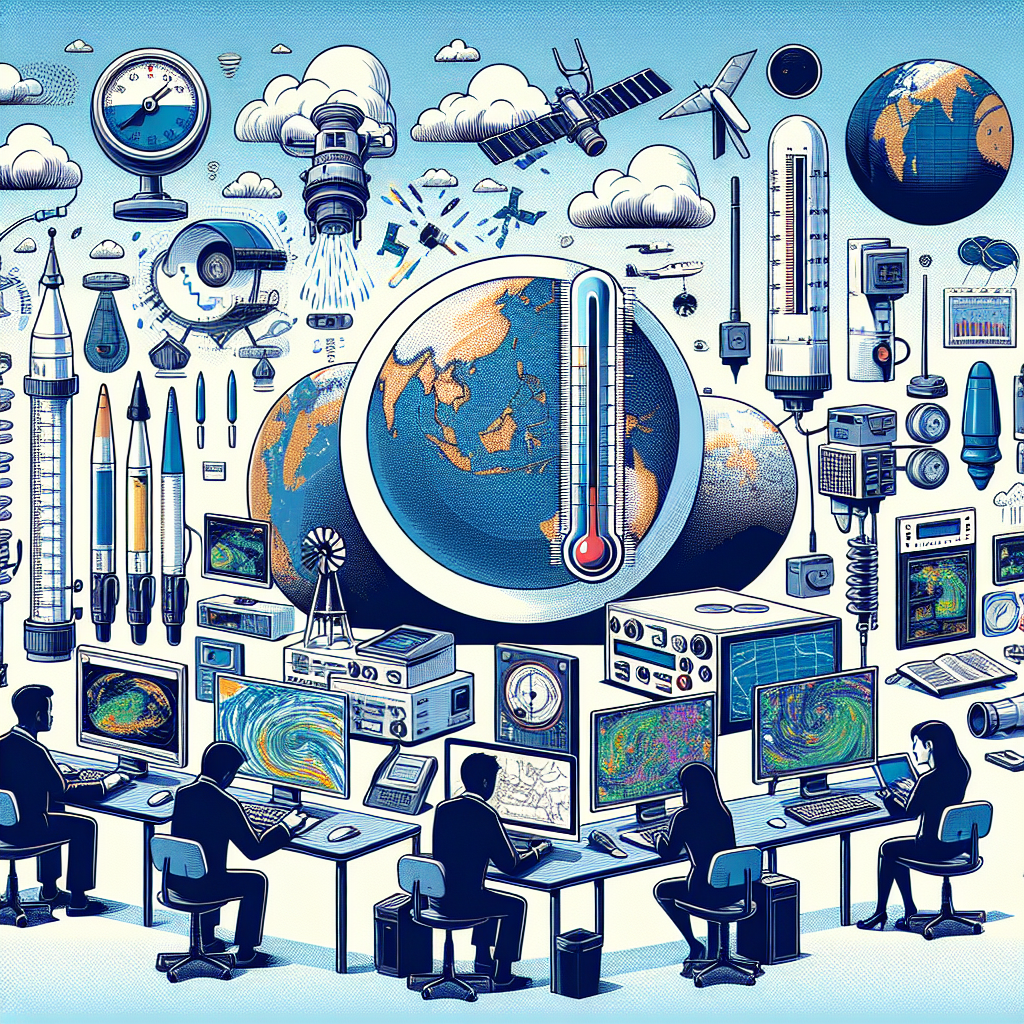
Introduction to the Department of MeteorologyThe กรมอุตุนิยมวิทยาพยากรณ์อากาศ plays a crucial role in Thailand, providing essential weather forecasts that impact daily life, agriculture, and safety measures against natural disasters. Established to monitor and study weather changes, the department employs a range of technologies and methodologies to deliver accurate forecasts. This article will delve into the functions of the department and the various ways it supports the Thai population in understanding weather patterns.In today’s world, where climate change is increasingly influencing weather systems, the department’s efforts have become even more significant. By utilizing satellite imagery, radar systems, and weather stations across the country, meteorologists can predict weather conditions with greater accuracy than ever before. Families planning important events, farmers determining the right time to sow seeds, and disaster management agencies all rely on the forecasts generated by the กรมอุตุนิยมวิทยาพยากรณ์อากาศ.The Role of the DepartmentThe primary responsibility of the กรมอุตุนิยมวิทยาพยากรณ์อากาศ is to provide timely and accurate weather forecasts. These forecasts help individuals and organizations anticipate and prepare for various weather conditions, from sunny days to severe storms. During the monsoon season, for instance, the department issues warnings and updates regarding potential flooding, ensuring that communities can take necessary precautions.Additionally, the department conducts research on climatology and meteorology, contributing to a broader understanding of weather phenomena. This research aids in improving forecasting techniques, thus enhancing the quality of information provided to the public. The department also collaborates with other international meteorological organizations, sharing data and insights that benefit both local and global weather prediction systems.Weather Forecasting TechniquesUnderstanding the science behind weather forecasting is essential. The กรมอุตุนิยมวิทยาพยากรณ์อากาศ utilizes several advanced technologies and methodologies in its forecasting efforts. Satellite imagery offers real-time data on cloud cover and weather systems, while Doppler radar systems provide critical insights into storm development and movement. Weather balloons, equipped with sensors to gather atmospheric data, are launched regularly to monitor conditions high above the ground.These technologies enable the department to produce comprehensive forecasts that include temperature predictions, precipitation amounts, wind speeds, and humidity levels. By combining data from various sources, meteorologists can develop a clearer picture of what weather to expect and communicate this information effectively to the public. In recent years, advancements in machine learning and artificial intelligence have also begun to play a role in enhancing forecasting accuracy.—Weather Warnings and Public SafetyOne of the most vital functions of the กรมอุตุนิยมวิทยาพยากรณ์อากาศ is to issue weather warnings to protect the public from severe weather events. Whether it’s a tropical storm, heavy rainfall, or extreme heat, timely alerts can save lives and prevent property damage. The department provides a range of communication channels, including official websites, social media updates, and mobile apps to ensure everyone has access to these critical warnings. Community Engagement and EducationThe department is actively involved in educating the public about weather and climate. By organizing seminars, workshops, and community outreach programs, it aims to increase awareness about weather-related risks and the importance of preparedness. Understanding basic meteorological concepts helps individuals make informed decisions during weather events, further enhancing their safety during storms or other hazardous conditions.The กรมอุตุนิยมวิทยาพยากรณ์อากาศ also collaborates with schools to integrate weather education into the curriculum, teaching students about climate patterns, and the science of meteorology. This initiative not only prepares the next generation to appreciate the importance of weather forecasting but also encourages an interest in science and technology fields.Future Developments and ChallengesAs climate change continues to alter weather patterns globally, the department faces several challenges in maintaining and improving its forecasting capabilities. Ongoing investment in technological advancements and training for meteorologists is essential to meet these challenges head-on. Additionally, increasing public engagement through digital platforms enhances the availability of information and fosters a culture of preparedness.ConclusionIn conclusion, the กรมอุตุนิยมวิทยาพยากรณ์อากาศ serves as a vital resource in Thailand, helping the population navigate the complexities of weather. Through its dedication to providing accurate forecasts, issuing timely warnings, and educating the public, the department significantly contributes to the safety and well-being of communities across the nation.